
Never Breathed Underwater? You Don’t Need to Be Certified to Scuba Dive in Kona
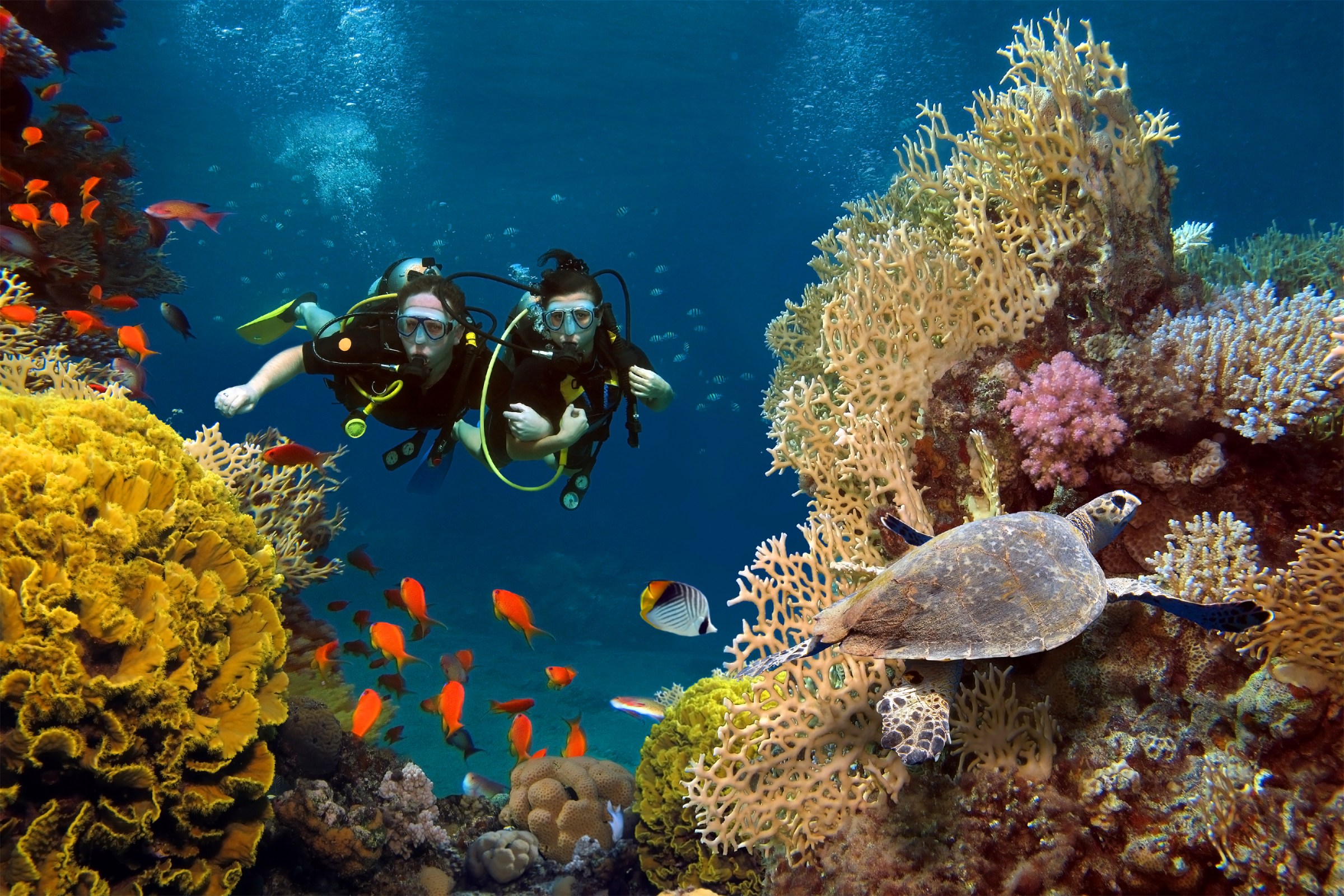
No, you don’t need a certification card for a first dive in Kona, as long as a professional instructor is in the water with you. That’s the honest answer to “do you need to be certified to scuba dive,” and it’s why Discover Scuba exists. A card is what lets you dive without supervision. Discover Scuba is the supervised version, run from Honokohau Small Boat Harbor on the Kona coast, and seven of every ten people who join it have never tried scuba before. It suits winter break. A first dive needs no week of classes, so the rest of the holiday stays free.
Quick Summary: Key Takeaways
- No card needed: Discover Scuba pairs every two students with one instructor.
- Ages 10 and up: children aged 10 to 12 must dive with a private instructor, listed at an additional $325.
- The listed price is $399 per diver: the mask, buoyancy compensator and dive computer are supplied.
- Mind the altitude: keep a Maunakea summit trip and your flight home well clear of the dive.
You Don’t Need to Be Certified to Scuba Dive With an Instructor
Certification is a license to dive on your own. A first-timer with an instructor doesn’t need one. PADI describes its Discover Scuba Diving program as a way to find out what diving is like, in a pool or calm water, before deciding on the Open Water Diver course.
The instructor supplies the gear, explains the basic skills and answers questions, and then you go and look at a reef with a professional close enough to touch. In Kona the ratio is two students to one instructor. Your instructor watches you, not a crowd.
A First Dive in Kona Starts Shallow and Stays Gentle
Kona’s Discover Scuba page names Turtle Pinnacle as the site for a first dive, and the reason is the shape of the bottom. The reef slopes away gradually, starting in water shallow enough to stand in, so you decide how deep to go as your confidence builds. Turtles are likely.
The green sea turtles that gave the site its name show up nine times out of ten, by the crew’s count, and patches of white sand make natural spots to practice skills before you move on toward the butterflyfish and parrotfish. Garden Eel Cove is the other site on the page, a sandy slope at around 25 feet where there’s no coral nearby to bump while you work out how to float level and stay there.
→ beginner-friendly Kona waters
Who Can Join a Discover Scuba Dive
Ten is the minimum age. Beyond that, the dive asks for a basic comfort with water over your head and some curiosity about what lives under it, and couples account for nearly half the bookings.
The listed price is $399 per diver, and children from 10 to 12 need a private instructor, which the page lists at an additional $325. Masks, buoyancy compensators and dive computers come with the experience, and so does reef-safe sunscreen. The boat needs four divers. If a departure falls short, the crew helps you find another time or processes a refund, and groups of six or fewer get a full refund when they cancel at least 48 hours ahead.
→ what surprises first-time divers in Hawaii
Plan Maunakea and Your Flight Around the Dive
Altitude after a dive is the risk to plan around, and the Big Island makes it easy to get wrong. Divers Alert Network guidelines agreed at a 2002 workshop recommend at least 12 hours on the surface after a single no-decompression dive before flying, and 18 hours after more than one dive in a day. That workshop considered people on introductory dives specifically. Higher is riskier, DAN adds.
Those guidelines cover cabin altitudes of 2,000 to 8,000 feet. Maunakea’s summit stands at 13,803 feet, far above that range, so we’d put the summit trip before the dive day and leave a free day between the dive and your flight home. Do the summit first.
Whale season runs from December to April, and a whale-watching cruise stays at sea level, so it fits on either side of the dive.
What Comes After Your First Dive
If the first dive hooks you, nearly every participant can count it toward a later PADI, SSI or SDI course. Some never do.
Others climb back on the boat already asking where a card leads. In Kona, the far end of that road is the Pelagic Black Water Night Dive, which drifts at about 50 feet, two to three miles off the Kailua-Kona coast, and is designed for certified divers with more than 50 logged dives. A nearer next step is the two-tank morning dive, where certified divers have their paperwork checked and their gear handed over at the harbor.
Frequently Asked Questions
Q: Can you scuba dive in Hawaii without being certified?
A: Yes, with an instructor. In Kona that supervised introductory dive is Discover Scuba, open to anyone 10 or older, with two students per instructor and every piece of dive gear supplied.
Q: Does Discover Scuba count toward certification?
A: The dive itself isn’t a certification. Most people who go on to a PADI, SSI or SDI course can count it toward that training.
Q: How long after scuba diving can you fly?
A: Divers Alert Network recommends a minimum preflight surface interval of 12 hours after a single no-decompression dive, and 18 hours after multiple dives in a day or several days of diving. Waiting longer lowers the risk further.
Book a First Dive Into Your Winter Week
Pick a mid-trip dive day. Put Maunakea before it, leave a free day after it, and check in for Discover Scuba at Honokohau Small Boat Harbor, off Kealakehe Pkwy in Kailua-Kona, HI 96740, about 12 minutes from Kona International Airport. If someone in your party is a nervous swimmer, say so on the contact form at konaoceanadventures.com ahead of the day, so the crew knows before the briefing starts.