
Deep-Water Snorkeling Off Kona: What the Off Shore Ocean Adventure Adds Once You’ve Done the Mantas
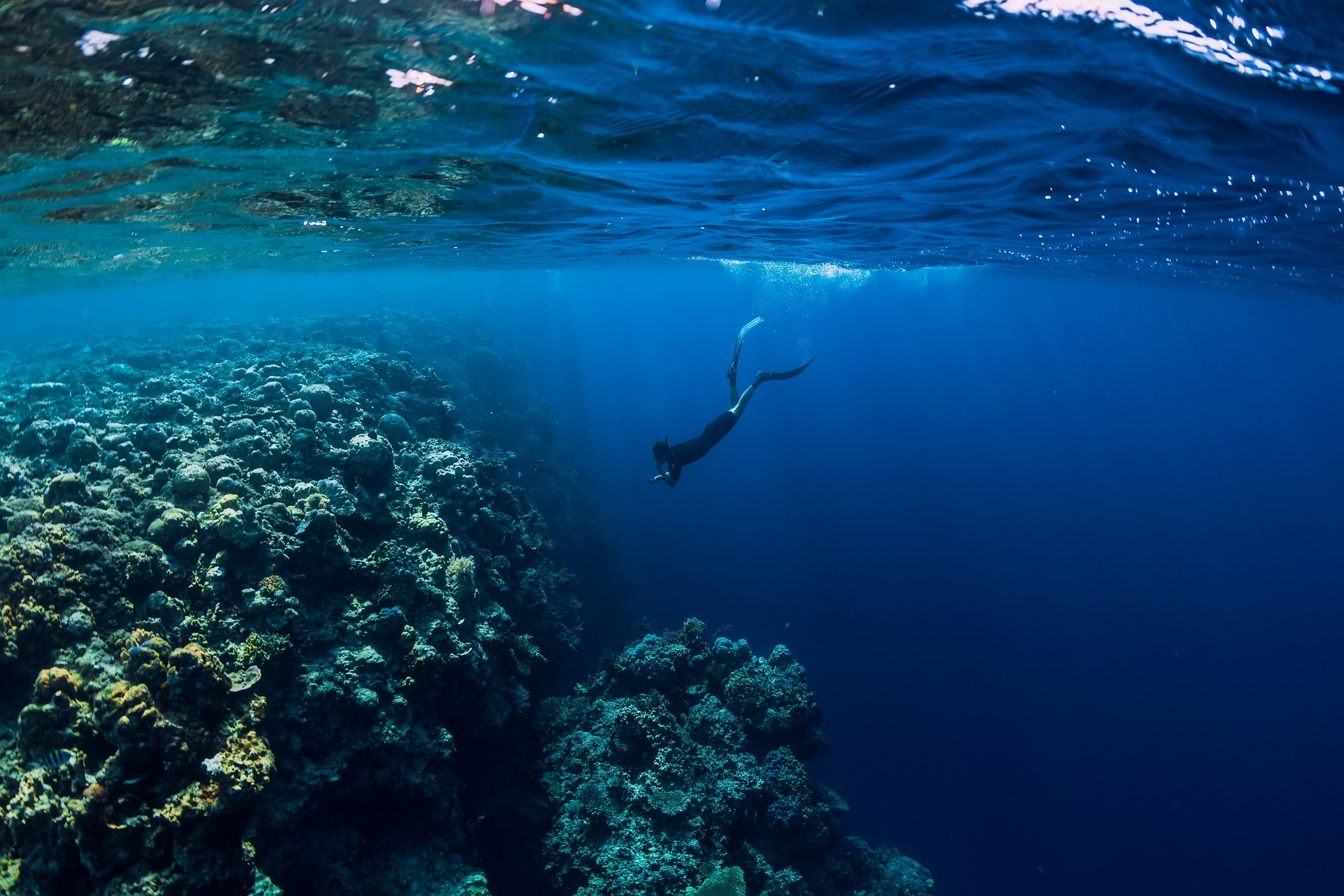
A four-hour trip for no more than eight guests, on a route nobody fixes until the captain has seen the water that morning: that’s the Off Shore Ocean Adventure. It leaves Honokōhau Harbor and heads beyond the coastline into open ocean, the setting for deep water snorkeling, with snorkel stops the captain picks on the day. It suits repeat visitors. Once the manta night snorkel is done, it’s the trip we’d point you toward, a daylight day on open water that feels nothing like the rest of a winter week, and with so few places on board, it’s worth reserving early.
Quick Summary: Key Takeaways
- What it is: a four-hour, small-group day offshore, listed at $265 per snorkeler.
- No fixed script: the captain plans each trip around that day’s ocean conditions and sightings.
- Wildlife is possible, never promised: whale sharks, pilot whales and dolphins are on the list of possible encounters.
- Distance rules apply: spinner dolphins are watched from at least 50 yards, and humpbacks from 100.
Deep Water Snorkeling Starts Where the Reef Drops Away
Deep water snorkeling means floating over open ocean instead of a shallow reef, and the Off Shore Ocean Adventure goes looking for that side of Kona, with a reef snorkel possible on the same day. On a reef trip, the bottom gives you something to look at and something to judge distance by. Offshore, it’s gone.
When the captain picks an open-water stop, you hang at the surface over deep blue, and whatever turns up swims in from the edges of your vision. That can feel strange for the first few minutes, even to people who snorkel every vacation, which is why the safety briefing at check-in deserves your full attention before anyone gets in the water.
The Captain Plans the Day Around the Ocean
There’s no fixed itinerary on this trip, because the captain builds each day around the conditions and whatever wildlife has been sighted. Depending on the sea, that can mean snorkeling a reef, watching dolphins or whales, exploring sea caves, paddleboarding a quiet bay, or cliff jumping when it’s safe to. Lunch, snacks and drinks are served on board.
We like that looseness. Not every group does. If somebody in yours wants a reef stop they can count on, the Snorkel Adventure & Reef Excursion at $265 varies from day to day too, but the crew builds a reef snorkel spot into it, and lunch, gear, sunscreen and towels are included.
→ Snorkel Adventure & Reef Excursion
Federal Distance Rules Decide How Close You Get
Whale sharks, pilot whales, dolphins and rare birds are all named as possible encounters on this trip. None of them can be booked.
When animals do show up, federal rules set the distance. A NOAA Fisheries rule published in September 2021 bars swimming with, approaching or staying within 50 yards of a Hawaiian spinner dolphin anywhere within 2 nautical miles of the main Hawaiian Islands. Spinners are watched from the boat. In whale season, from December to April, NOAA’s Hawaii viewing guidance adds that federal law prohibits approaching a humpback within 100 yards, whether by boat, kayak, drone or swimming.
→ spinner dolphin watching in Kona
Match the Trip to the Least Confident Swimmer
Confident snorkelers who don’t mind open water get the most from a day offshore. Think of a couple on a second Big Island visit, or teenagers who’ve outgrown the reef and would rather hope for a pilot whale than tick off a famous bay.
Nervous swimmers are better served by a reef first. Groups larger than eight are asked to get in touch, and the private charter, listed from $1,900 with a captain and snorkel guide, lets a bigger party set its own day. Pick the trip that matches the least confident swimmer in the group, not the boldest one.
Book It After the Mantas, Not Instead of Them
The manta night snorkel and the offshore day work as a pair because they’re opposites. One happens after dark, with lights drawing plankton to the surface and the mantas feeding below the snorkel board you hold. The other happens in daylight, over blue water, with lunch on board and no set route.
First visit to Kona? Do the mantas first. On a return trip, put the offshore day early in the week, so there are still free days left if the sea changes your plans.
Frequently Asked Questions
Q: What is deep water snorkeling?
A: It’s snorkeling over open ocean rather than a shallow reef, so there’s no visible bottom beneath you. Off Kona, the Off Shore Ocean Adventure is the small-group trip that heads offshore for it.
Q: Can you swim with dolphins in Kona?
A: Not with spinner dolphins. A 2021 federal rule prohibits swimming with or approaching them within 50 yards anywhere within 2 nautical miles of the main Hawaiian Islands, so tours watch them from the boat. NOAA also recommends staying at least 50 yards from other dolphins and small whales.
Q: Is offshore snorkeling OK for beginners?
A: Comfortable swimmers do fine, but open water feels different from a reef. Anyone nervous should try a reef trip first and mention it at the safety briefing.
Reserve a Day Offshore
Once the mantas are done, the offshore day is the one to add next. Book it early in the stay. Every departure checks in with the captain at Honokōhau Harbor, off Kealakehe Pkwy in Kailua-Kona, HI 96740. Pick your date on the reservations page at konaoceanadventures.com, where the offshore day sits alongside the reef excursion and the late-night mantas, and if your party is bigger than eight, ask about the private charter instead.