
Kona’s Whale Season Starts in December — Here’s What Actually Happens Out There
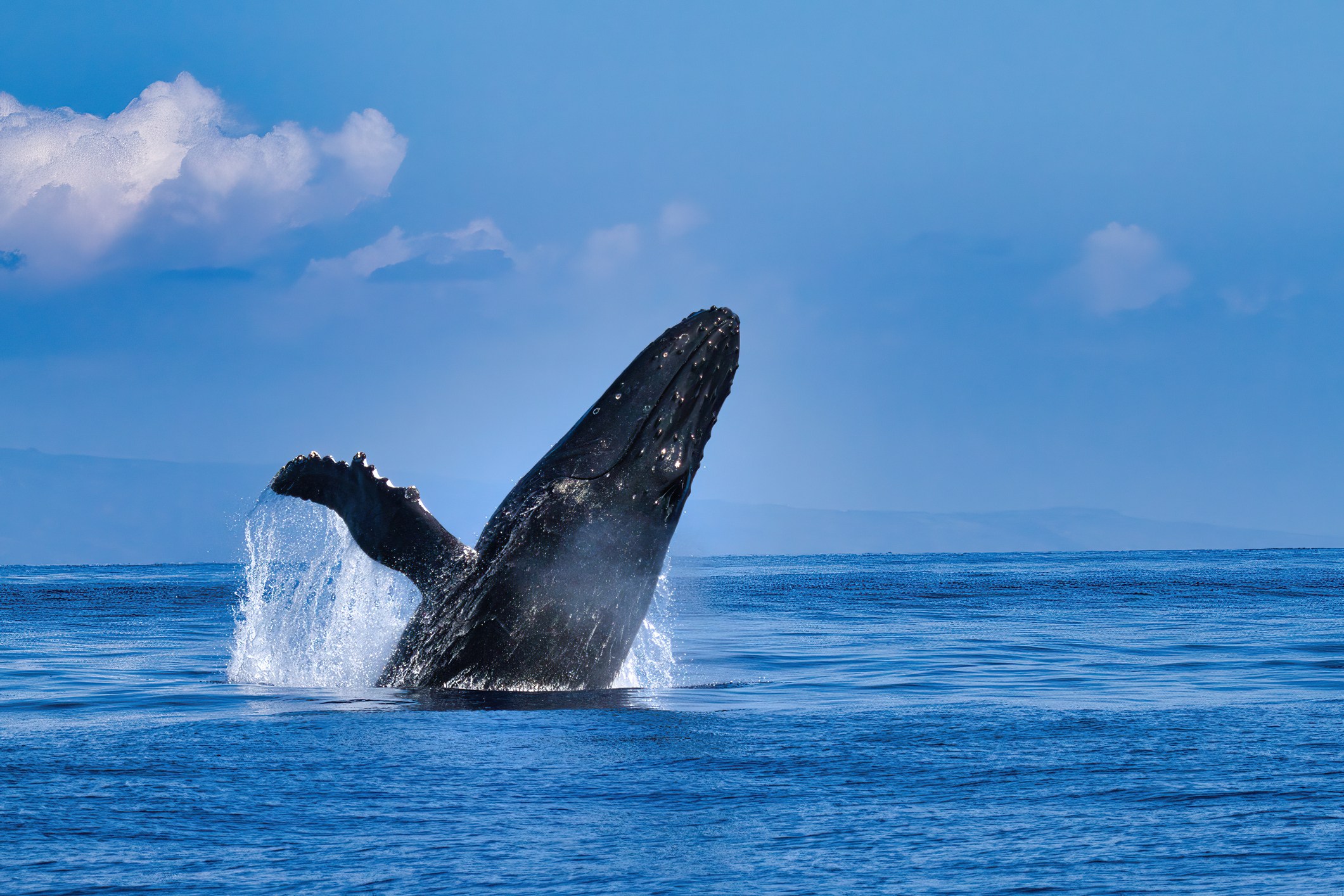
Right now the humpbacks are still north, feeding. By December the first of them will be off the Kona coast, and from then until April the water between Honokohau Harbor and the horizon becomes one of the busiest humpback nurseries on the planet. If you’re building a Big Island trip around that, October is when the planning happens — not January.
Our whale watch departures book out fastest from January through March, which is exactly the stretch most people want. Waiting doesn’t help. Here’s what the season is, what a trip looks like from the rail, and what we’d tell you to do about the calendar.
Key Takeaways
- Season dates: Humpbacks are off Kona from December through April, with the heaviest activity in the middle of that window.
- What it costs: $189 for adults and children alike, with two departures a day and a four-guest minimum to sail.
- The unexpected part: An onboard hydrophone plays live whale song through the deck speakers while you watch.
- Book early: January through March fills first. Locking in a date in the fall costs nothing and saves the argument later.
- Before December: Manta tours, two-tank dives and Kealakekua snorkel trips run right through the fall from Honokohau Harbor.
The Season Runs December Through April and Peaks in the Middle
Humpbacks arrive off the Big Island in December, and the last of them are gone by the end of April. That is the whole window. Inside it, activity climbs steadily — mothers with new calves, competition pods of males shoving each other around the surface, animals resting in the shallows because there is nothing to eat here and no reason to burn energy.
They don’t feed in Hawaii. They breed, calve and nurse, then leave. Every behavior you see is part of that.
Why the Leeward Kona Coast Suits Mothers and Calves
Kona sits in the lee of Mauna Loa and Hualalai, which means the water out front is unusually calm for an open Pacific coast. It also runs around 75 degrees through the winter. A newborn humpback hasn’t built the blubber it needs for Alaska yet, so warm sheltered water isn’t a preference — it’s the reason the whole migration exists.
And it is a long way to come. NOAA Fisheries notes that some humpback populations swim 5,000 miles between tropical breeding grounds and colder feeding grounds, one of the longest migrations of any mammal on earth. The animal resting fifty yards off your bow did that under its own power.
The Hydrophone Is the Part Nobody Expects
Everyone comes for the breach. What people talk about afterwards is the sound. We drop a hydrophone and run it through the deck speakers, so you hear the low resonant song males use and the much quieter exchanges between a mother and her calf while the animals are still in view.
It reframes the whole trip. You stop watching a large animal move and start listening to it communicate, and that shift is the thing guests bring up months later when they email us.
October Is for Booking, Not for Waiting
Two departures run daily through the season, we need a minimum of four guests to sail, and the price is $189 for adults and children alike. Light refreshments come with every trip. None of that changes much across the season — availability does.
January, February and March are the months everyone wants, and those dates go first. Book the date now, plan the rest of the island around it. That’s the honest advice.
What Fills the Water Between Now and December
Fall is not a dead season here. Manta rays feed off this coast year-round, the two-tank morning dive runs at 7:00 and 12:30, and the Kealakekua Bay snorkel trip — four hours with two and a half of them in the water — is arguably better in October than in July, because there are fewer boats working the bay.
Plenty of guests do both: a fall trip for the reef and mantas, a winter trip for the whales.
Whole-Boat Whale Watches for Families and Groups
Private charters are available across the season for families, dive clubs, wedding parties and corporate groups. The real advantage isn’t the privacy. It’s the freedom to sit with a mother and calf for another twenty minutes instead of turning for the harbor because a schedule says so.
Frequently Asked Questions
Q: When is the best time to see humpback whales in Kona?
A: Between December and April, with the strongest activity through the middle of that stretch. December departures do see whales, though numbers build as the season goes on, so a January through March date gives you the most animals in the water.
Q: How much is a whale watching tour in Kona, Hawaii?
A: $189 per person, the same for adults and children. Two departures run daily during the season and we need at least four guests booked for a trip to sail. Light refreshments are included.
Q: Where do Kona whale watching tours depart from?
A: Honokohau Small Boat Harbor, just north of Kailua-Kona. Check-in happens at the harbor, and the boat is in whale water within minutes of leaving the channel — this coast drops off steeply and quickly.
Q: Can you hear whales on a Kona whale watch?
A: Yes. We carry a hydrophone and play the audio live through the deck speakers, so you hear song and mother-calf calls while you’re watching the animals that are making them.
Hold a Whale Watch Date Before the Calendar Fills
Kona Ocean Adventures runs from Honokohau Small Boat Harbor on Kealakehe Parkway, Kailua-Kona, on the Big Island, with two whale watch departures a day from December through April. Everything books online at konaoceanadventures.com, and our Coast Guard-licensed captains have three decades of combined time on this coast between them.