
Summer Is Quietly Kona’s Best Snorkeling Season
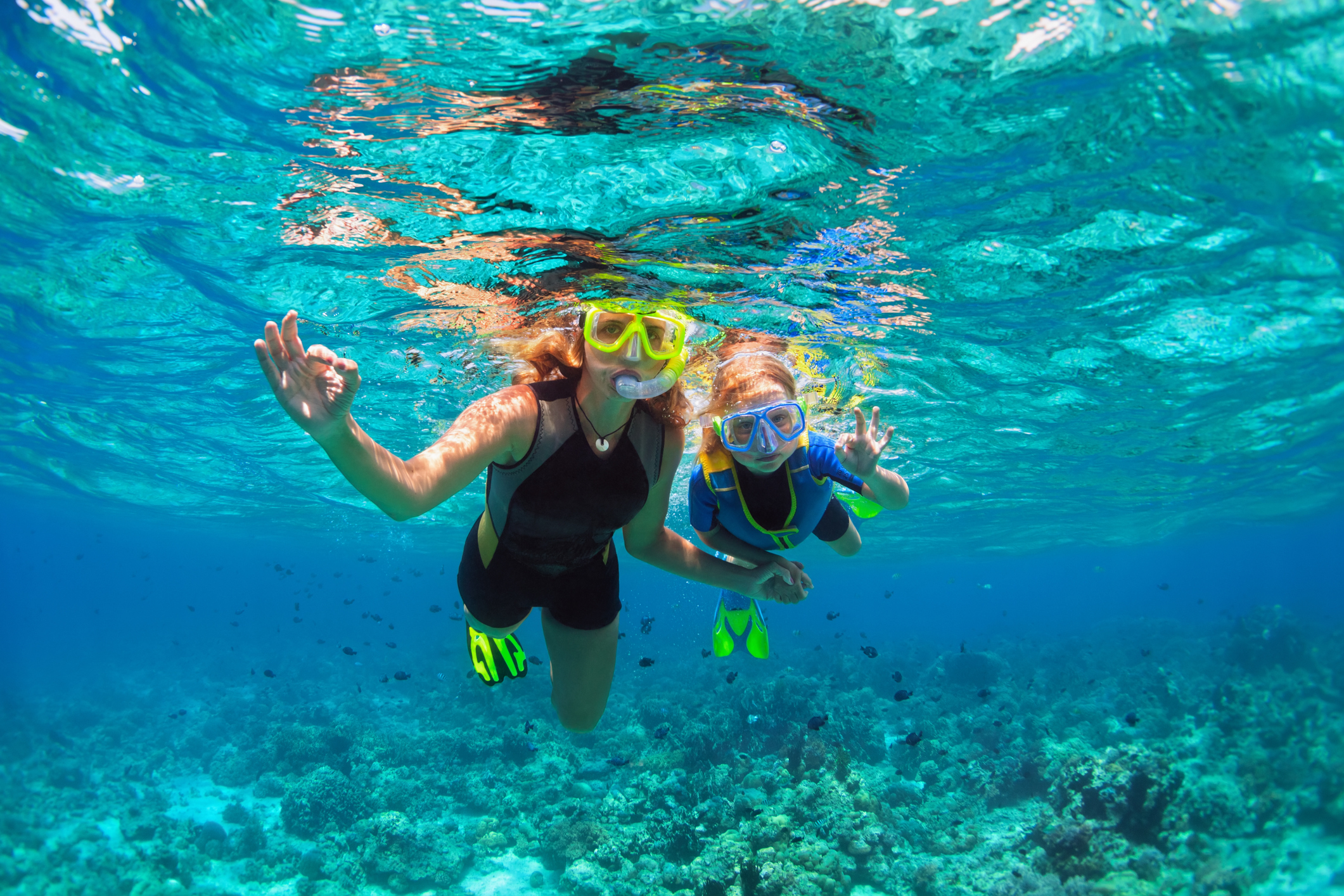
Everyone books Kona for whale season. We get it — a breaching humpback is hard to beat. But ask our captains their favorite time to be in the water, and a lot of them will say summer.
By late spring, the humpbacks have swum back to Alaska, and what they leave behind is a coast that’s calm, warm, and clear, with the reef life that’s here all year finally getting the spotlight. Green sea turtles. Spinner dolphins. Reef fish in water so clear it feels fake. If you’re planning a Big Island trip between June and August, don’t write off the snorkeling because the whales have left. Summer might be the best water we get.
Quick Summary: Key Takeaways
- Whales are a winter thing: Humpbacks visit Hawaii roughly November through May, so summer snorkelers won’t see them, and that’s fine.
- Summer water is prime: June through August brings calm seas, warm water, and the best visibility of the year along the Kona coast.
- The reef never left: Green sea turtles, spinner dolphins, and eels headline a reef that’s active all year, not just in whale season.
- Great for beginners: Calm summer conditions make it an ideal time for first-time snorkelers and families.
- Manta nights, year-round: The whales migrate, but Kona’s manta rays stay put, so summer evenings are still a highlight.
Where the Whales Go in Summer
The humpbacks that fill Kona’s winter aren’t here in summer because they’ve gone home to feed. Each year up to 12,000 humpback whales — more than half the North Pacific population — migrate to Hawaii to breed and calve, arriving around November and mostly gone by May, per NOAA’s Hawaiian Islands sanctuary. The whales head north.
By June, the coast is quiet without them. They’re roughly 2,500 miles away, gorging in Alaskan waters, and they won’t be back until late fall. So no, you won’t see a humpback breach on a July snorkel trip. Not one. What you’ll see instead is the reason we love summer here.
What the Summer Water Is Really Like
Summer is when the Kona coast is at its calmest. The big winter swells are gone, the trade winds ease, and mornings often glass over flat and clear. Visibility can stretch past 100 feet on a good day.
Warm water, too — the ocean sits in the low 80s, so you can stay in far longer without getting cold. That mix of flat, clear, warm water is exactly what makes summer our easiest snorkeling of the year, especially for kids and first-timers who don’t want to fight chop. Calm water. Clear water. It shows off the reef.
The Reef Life That Steals the Show
With the whales gone, Kona’s resident wildlife takes over. Green sea turtles — honu — graze the reef and rest in the shallows, and summer’s calm water makes them easy to swim near, from a respectful distance; they’re protected. Pods of spinner dolphins cruise the coast most mornings.
You’ll find yellow tangs in clouds, parrotfish crunching coral, moray eels tucked in the rocks, and if you’re lucky, an octopus changing color right in front of you. None of it migrates. It’s here every month — summer just gives you the clear, calm water to actually enjoy it.
The One Big Animal That Doesn’t Leave
Here’s the summer secret: the mantas stay. While the humpbacks migrate thousands of miles, Kona’s manta rays are homebodies, and the famous evening manta experience runs all year. These are huge, gentle animals — reef mantas with wingspans over 10 feet — feeding on plankton in the glow of dive lights after dark.
Summer’s calm seas make those evening trips smoother than ever. So if you came hoping for a big-animal encounter and feel let down that whale season is over, the mantas have you. Different animal. Same jaw-drop.
How We’d Plan a Summer Snorkel Trip
Go early. Morning is when the water is calmest, and the light is best, so we run our snorkel trips before the afternoon wind picks up. We pick sites based on the day’s conditions rather than a fixed schedule, which is the advantage of knowing this coast.
Some mornings Kealakekua Bay is glass; other days a tucked-away cove is the call. Bring reef-safe sunscreen, since Hawaii banned the harmful stuff. And pace it: a morning snorkel, a slow afternoon, and a manta trip after dark is close to a perfect Kona summer day.
Frequently Asked Questions
Q: Can you see whales in Kona in summer?
A: No. Humpback whales are in Hawaii only in winter and spring, roughly November through May, then migrate back to Alaska to feed. By June they’re gone, and they won’t return until late fall. Summer visitors won’t see humpbacks, but the reef life more than makes up for it.
Q: Is summer a good time to snorkel in Kona?
A: It’s one of the best. Summer brings the calmest seas, warmest water, and clearest visibility of the year along the Kona coast, which makes for easy, comfortable snorkeling, especially for beginners and families.
Q: What animals can you see snorkeling in Kona in summer?
A: Green sea turtles, spinner dolphins, yellow tangs, parrotfish, moray eels, and the occasional octopus or reef shark are all common year-round residents. In the evenings, Kona’s manta rays put on a show that runs right through summer.
Q: How warm is the water in Kona in summer?
A: Warm — the ocean along the Kona coast sits in the low 80s Fahrenheit through summer. Most people snorkel comfortably for a long time without a wetsuit, though a rash guard helps with the sun.
Come See What Summer Kona Really Offers
The whales get the headlines, but summer is quietly our favorite season to put people in the water off Kona. If you’re planning a trip between June and August, start with our Kona snorkeling tours and the calm-water Kealakekua Bay snorkel adventure, which is at its glassy best this time of year. A relaxed day cruise along the coast is a lovely way to cover more reef, and a private charter lets us build the morning around your group. Want to fill the evening too? Our guide to the best things to do on the water in Kona rounds out the day.